Real cost of wedding flowers in Barnsbury and Canonbury
Posted on 26/09/2026
If you are planning a wedding in Barnsbury or Canonbury, the flower budget can feel oddly slippery. One minute you are looking at a simple bridal bouquet, and the next you are wondering why buttonholes, table flowers, and delivery can add up so quickly. The real cost of wedding flowers in Barnsbury and Canonbury depends on far more than the flowers themselves: season, stem choice, design style, labour, travel, setup time, and how much of the day you want dressed in blooms.
This guide breaks the numbers down in plain English. You will see what typically affects the final quote, how local wedding flower pricing is usually built, what to prioritise if your budget is tight, and how to avoid the common traps that quietly push costs up. In other words, the practical version, not the dreamy brochure version. Let's face it, that is usually what you need when you are trying to keep a wedding spreadsheet under control.
Whether you are planning a registry office ceremony, a small restaurant reception, or a larger celebration in Islington, the aim is the same: get flowers that feel personal, look beautiful, and make financial sense for the day you are actually having.
- Why the real cost matters
- How wedding flower pricing works
- Key benefits and practical advantages
- Who this is for
- Step-by-step guidance
- Expert tips for better results
- Common mistakes to avoid
- Tools, resources and recommendations
- Law, compliance, standards, or best practice
- Options and comparison table
- Case study or real-world example
- Practical checklist
- Conclusion
- Frequently asked questions
Why Real cost of wedding flowers in Barnsbury and Canonbury Matters
Wedding flowers are often one of those line items that starts small and then grows legs. A bouquet feels manageable. Add bridesmaid bouquets, buttonholes, ceremony flowers, table arrangements, and maybe a few extra stems for photos, and suddenly you are dealing with a proper design budget. That matters everywhere, but especially in Barnsbury and Canonbury where many weddings are intimate, style-led, and often planned with a strong sense of local character.
These neighbourhoods attract couples who care about detail. You might be marrying in a townhouse, a converted venue, a local hall, or a small private dining space. In those settings, flowers do a lot of visual heavy lifting. A well-planned scheme can make a compact room feel considered and calm; a rushed one can feel crowded, mismatched, or strangely expensive for what you got.
The cost matters because it affects decisions across the whole day. If flowers are over-budget, something else has to give. If they are under-planned, you may end up paying extra later for urgent fixes, top-up arrangements, or last-minute substitutions. Truth be told, most flower budget problems are not really about flowers at all. They are about timing, clarity, and scope.
It also matters because local delivery and setup logistics in North London are not nothing. Narrow streets, limited loading space, timed venue access, and short setup windows all influence the labour involved. Even if the flowers themselves are modest, the service around them can shift the total in ways couples do not always expect.
Expert summary: The real cost of wedding flowers is rarely just a stem-count issue. In Barnsbury and Canonbury, the final figure usually reflects design complexity, labour, freshness, travel, and how many separate floral moments you want on the day.
How Real cost of wedding flowers in Barnsbury and Canonbury Works
Wedding flower pricing is usually built in layers. At the simplest level, you are paying for flowers. But in practice, the quote also covers arranging, conditioning, consultation time, sourcing, transport, and any onsite setup. If the wedding involves multiple locations, those layers multiply. A bridal bouquet delivered to one venue is one thing; a ceremony-to-reception setup with large statement pieces is another altogether.
Most florists will look at four broad inputs:
- Flower choice: seasonal blooms generally cost less than hard-to-source or out-of-season flowers.
- Design style: hand-tied bouquets are usually simpler than pedestal pieces, arches, or intricate tablescapes.
- Quantity: more bouquets, buttonholes, corsages, and arrangements naturally raise the total.
- Delivery and installation: local drop-off is different from full setup with placement and styling.
There is also a timing factor. Peak wedding seasons, especially late spring and summer, can reduce availability and increase pressure on popular stems. If you have your heart set on peonies in a week when everyone else does too, you may pay more or need to compromise. That is just how it goes.
For Barnsbury and Canonbury weddings, smaller and more curated floral plans are very common. A bride might choose a standout bouquet, a handful of buttonholes, and one or two tables dressed with garden-style arrangements. Another couple may want a more layered look with ceremony pillars, aisle details, and a fuller reception scheme. Both are valid, but the cost structure is very different.
If you are comparing quotes, do not just look at the bottom line. Check what is included. A slightly higher quote might actually be better value if it covers setup, extra stems, and thoughtful substitutions rather than a bare-bones delivery-only service. That little detail saves stress later.
Key Benefits and Practical Advantages
Understanding wedding flower costs properly has some genuine advantages. The first is control. When you know where the money goes, you can direct the budget to the items guests will actually notice most. A bouquet that photographs beautifully and one or two ceremony arrangements can often have more impact than a room filled with small, forgettable pieces.
The second advantage is confidence. You are less likely to feel pushed into upgrades you do not need. That is a big one. Many couples walk into flower planning with vague ideas and a lot of emotion, then feel they must "say yes" to everything. A clear pricing framework gives you room to pause and decide.
There is also a styling benefit. In a neighbourhood like Canonbury, where many venues have elegant architecture and natural charm already, flowers should complement the setting rather than fight it. Knowing your real budget helps you choose a design that enhances the room instead of overpowering it.
Practical advantages include:
- easier budget splitting across bouquet, ceremony, and reception elements
- better comparison between florists and package types
- less risk of rushed, expensive last-minute changes
- more realistic expectations about seasonal flower availability
- stronger alignment between your vision and your spend
And honestly, when the planning gets busy, anything that cuts stress is worth its weight in ranunculus.
Who This Is For and When It Makes Sense
This topic matters if you are:
- planning a wedding in Barnsbury, Canonbury, or nearby Islington
- trying to create a flower budget before speaking to florists
- comparing a few quotes and not sure which one is realistic
- working out whether a full floral scheme or a small essential set makes more sense
- helping a couple plan an elegant day without drifting into overspend
It makes especially good sense if you want flowers that look tailored rather than generic. Local weddings often have a more intimate feel, and that means details matter. A modest bouquet can be stunning if it suits the dress, the venue, and the season. A lavish display can be brilliant too. But only if it is deliberate.
This guidance is also useful if you are organising from abroad or from outside London and need a better sense of what is normal locally. Barnsbury and Canonbury are not a "cheap flowers" kind of market, but they are also not a one-size-fits-all market. There is room for clever choices. You just have to know where the flexibility is.
If you are browsing general flower inspiration before settling on wedding specifics, pages like wedding flowers in Barnsbury and the broader weddings collection can help you see how different styles and collection pieces fit together.
Step-by-Step Guidance
If you want a sensible flower budget, do not start with flowers first. Start with priorities. That sounds backwards, but it is the cleanest way to avoid vague spending.
- List the floral moments that matter most. For example: bridal bouquet, bridesmaid bouquets, buttonholes, ceremony flowers, table arrangements, and maybe a few petals or accent pieces.
- Decide what guests will actually see. If the reception is a small dinner, a huge floral arch may be unnecessary. If all eyes will be on one ceremony space, that is where the focus should go.
- Choose your season and style. Garden-style, structured, romantic, classic white, colourful, or minimal all influence cost.
- Ask for a detailed quote. Make sure it shows what is included: flowers, labour, delivery, setup, containers, hire items, and any dismantling.
- Check substitutions. If a flower is unavailable, what will replace it? Similar shape and value, or just "something else"? That distinction matters.
- Build in a buffer. A small contingency protects you from last-minute additions or changing guest counts.
A real-world example: a couple planning a modest Barnsbury ceremony might choose one bridal bouquet, two bridesmaid bouquets, four buttonholes, and two table arrangements. That can feel elegant without becoming financially heavy. Add a statement ceremony install and the budget shifts very quickly. Not wrong, just different.
So, ask yourself: do you want the flowers to frame the whole event, or to support it quietly? That one question clears up a lot.
Expert Tips for Better Results
The best flower budgets are not necessarily the largest. They are the ones with the clearest brief. A florist can do much more with a focused plan than with a vague "something beautiful, not too much, but special" request. We have all said something like that at some point. It is not helpful, though.
Here are the approaches that tend to give better value:
- Use seasonal stems where possible. Seasonal flowers usually give you better quality and less waste.
- Prioritise visible areas. Guests notice the bouquet, ceremony focal point, and top tables first.
- Keep the palette tight. Two or three tones often look more elegant and can be easier to source.
- Mix premium and supporting flowers. A few statement blooms with more affordable fillers can look rich without being wasteful.
- Reuse arrangements where practical. Ceremony pieces can sometimes be moved to reception spaces.
- Be realistic about installation time. Small venues in Barnsbury and Canonbury may not have long access windows, so complex builds can cost more.
One helpful tactic is to decide what must be perfect and what simply needs to be nice. There is no shame in that. In fact, it is smart. A bouquet might be the hero piece, while table flowers can be lighter and simpler. The day still looks cohesive. Often better, really.
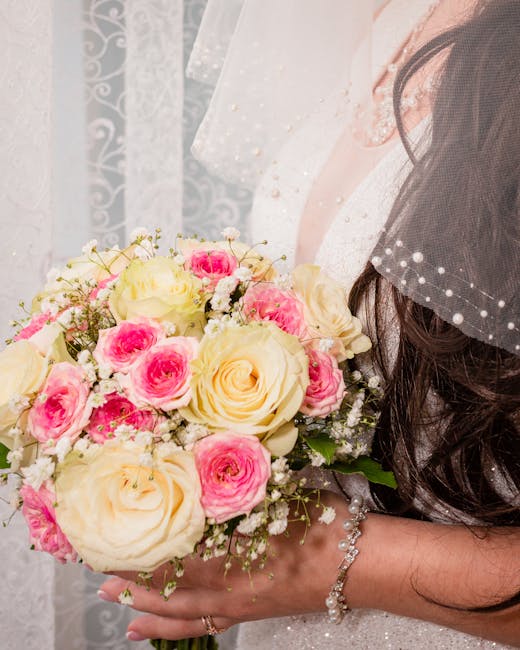
If you want a starting point for colour and style choices, browsing category pages such as white flowers, pink flowers, or mixed colours can make the planning conversation much easier.
Common Mistakes to Avoid
The biggest mistake is assuming that flower cost is mostly about bouquet size. It is not. Two medium bouquets can cost more than one large one if the design uses premium stems, intricate handwork, or time-heavy finishing. People miss that all the time.
Other common mistakes include:
- Not checking what is included. Delivery, setup, vases, and removal can change the true price.
- Leaving flowers too late. Popular dates go quickly, and last-minute choices narrow your options.
- Over-ordering for small spaces. A compact Canonbury venue can be overwhelmed by oversized pieces.
- Ignoring seasonal reality. If a flower is difficult to source, the cost will usually reflect that.
- Forgetting transport and access. Stairs, limited parking, and timed load-in can affect labour costs.
- Focusing only on aesthetics. Beautiful is good. Beautiful and practical is better.
Another subtle mistake is treating every element as separate rather than thinking in terms of the whole event. A florist can often create a more cost-effective plan if they know how the pieces work together. For example, a ceremony arrangement might later be repurposed behind the cake table or at the dinner entrance. That kind of planning saves money without looking stingy.
And yes, sometimes the mistake is simply falling in love with every bloom you see. Very understandable. Still a mistake.
Tools, Resources and Recommendations
You do not need specialist software to plan wedding flowers well, but a few simple tools help enormously:
- A guest and table count. This tells you how many centrepieces and buttonholes may be needed.
- A venue layout. Even a rough sketch helps identify focal points and transport issues.
- A mood board. Screenshots, fabric swatches, dress photos, and venue images help a florist understand your style.
- A budget range. Not one exact number. A range gives breathing room.
- A priority list. Must-have, nice-to-have, and optional.
For product-level inspiration, the website's wedding range is helpful. A few relevant starting points include the I Cherish You wedding collection, White Wonders, and True Happiness. These kinds of collections make it easier to compare styles, scale, and likely budget direction.
If you are looking for specific wedding pieces, the product pages for bridal bouquets, bridesmaid bouquets, buttonholes, corsages, and table arrangements are useful for shaping a more realistic estimate.
For general trust and service information, you can also review the site's about us, guarantees, delivery, returns and refund, and flower care pages when you are comparing options.
Law, Compliance, Standards, or Best Practice
Wedding flowers are not heavily regulated in the way some trades are, but good practice still matters. The main standards here are practical ones: clear pricing, clear communication, safe transport, and respectful handling of venue rules. If your venue has restrictions on candles, water vessels, hanging installs, or access times, those rules affect what can be offered and how much labour is required.
It is also sensible to ask about freshness handling, substitution policy, and what happens if an item cannot be sourced. A professional florist should explain this clearly without making the conversation feel awkward. If there are delivery windows or setup instructions, they should be written down. You do not want floral chaos on the morning of the wedding. Nobody does.
From a consumer perspective, it helps to understand terms and conditions before paying. Check payment timing, cancellation terms, and refund rules. If you are placing a bespoke wedding order, those details are especially important because wedding work often involves ordering product well in advance. That is just normal business practice.
Best practice also includes sustainability where possible. Reusable vessels, seasonal sourcing, and smart repurposing all reduce waste and often improve value. If that matters to you, say so early. It can influence the whole design.
Options, Methods, or Comparison Table
Different flower approaches suit different budgets and wedding styles. Here is a simple comparison to help you think it through.
| Approach | Typical feel | Budget impact | Best for |
|---|---|---|---|
| Minimal essentials | Clean, elegant, focused | Lower | Small ceremonies, registry-style weddings, tighter budgets |
| Balanced wedding package | Polished and coordinated | Moderate | Most local weddings wanting bouquet, ceremony, and table coverage |
| Statement design | Full, immersive, highly styled | Higher | Feature-led events, larger guest lists, photography-focused installs |
| Seasonal luxury mix | Rich but often more efficient than pure premium sourcing | Variable | Couples wanting impact without choosing only the most expensive stems |
For many Barnsbury and Canonbury couples, the balanced package gives the best value. It gives you enough styling to feel considered without spending on extras that no one will really notice after the first hour. Harsh, maybe. True, definitely.
If you are price-sensitive, you may want to compare with the site's budget-friendly flowers in Barnsbury page to understand the lower end of floral spending, even if your wedding work will sit above that level.
Case Study or Real-World Example
Imagine a couple planning a late-afternoon wedding near Canonbury. The venue is attractive already: high ceilings, soft light, and enough character that it does not need heavy decorating. They want the day to feel romantic, but not overloaded.
Instead of covering every surface, they choose a focused plan: one bridal bouquet, two bridesmaid bouquets, five buttonholes, a ceremony feature arrangement, and two modest table pieces that can later be moved to the dinner area. They opt for a seasonal palette in soft whites and blush tones, with a few deeper accent blooms to give shape. The result is calm and elegant, and the cost stays far more controlled than a room full of standalone arrangements.
What made it work was not bargain hunting. It was clarity. They knew which floral moments mattered and which ones could be simplified. The florist could then design around those priorities instead of stretching the budget thin. That is usually the sweet spot.
Now compare that with a couple who ask for the same bouquet, plus large entrance pieces, hanging florals, aisle markers, two broken arches, and dense centrepieces for every table. Beautiful? Absolutely. Different budget? Very much so. Same postcode, same month, wildly different total.
If you are still shaping ideas, browsing the site's wedding pieces like SI Wedding Collection or Royal Essence Wedding Collection can help you visualise the difference between simple, balanced, and statement-led floral plans.
Practical Checklist
Use this checklist before you request or approve a quote:
- Have you set a realistic total flower budget?
- Do you know which floral items are essential?
- Have you listed your ceremony and reception spaces?
- Do you know your guest count and table count?
- Have you chosen a rough colour palette?
- Do you understand which flowers are seasonal for your date?
- Have you asked whether delivery and setup are included?
- Do you know the florist's substitution policy?
- Have you confirmed venue access times and loading rules?
- Have you allowed a small contingency for changes?
If you can tick most of those off, you are in a much stronger position. Not perfect. Stronger. And in wedding planning, stronger is often the thing that keeps the whole day feeling calm.
Get a free quote today and see how much you can save.
Conclusion
The real cost of wedding flowers in Barnsbury and Canonbury is shaped by much more than the blooms on the day. It is about design time, seasonality, labour, delivery, venue logistics, and how ambitious you want the floral story to be. Once you understand that, the whole process gets easier. You stop guessing, start comparing properly, and make choices that suit both your vision and your budget.
If your wedding is intimate and local, the smartest approach is usually focused rather than sprawling. Choose the flowers that matter most, keep the palette thoughtful, and work with a clear brief. That is how you get something beautiful without the budget wobbling halfway through the planning. And honestly, that little bit of control makes the whole run-up feel lighter.
In the end, the best wedding flowers are the ones that feel like they belong to your day, your space, and your story. Everything else is just noise.
Frequently Asked Questions
How much do wedding flowers usually cost in Barnsbury and Canonbury?
The cost varies widely because it depends on flower choice, quantity, design complexity, delivery, and setup. A simple bouquet-only plan will be very different from a full ceremony and reception installation. The best way to estimate is to list your exact floral needs and ask for a detailed quote.
Why do wedding flowers cost more than regular bouquets?
Wedding flowers usually involve more planning, specific design work, advance ordering, and timed delivery or installation. They often need to hold up for photos and the full event, which means more care in conditioning and arrangement. The service around the flowers matters as much as the flowers themselves.
Are seasonal flowers cheaper for weddings?
Usually, yes. Seasonal flowers are generally easier to source and often look fresher because they are in natural supply. They can also give you more flexibility in style. If you want a specific bloom that is out of season, expect the cost to rise.
What wedding flowers are the most expensive?
Hard-to-source, highly premium, or out-of-season flowers tend to push the price up. Large statement designs, intricate hanging installs, and arrangements that require a lot of specialist labour can also increase cost. It is not always the individual stem that costs most; sometimes it is the design time.
Can I keep my wedding flower budget low without losing style?
Yes, absolutely. Focus on the most visible items, choose seasonal blooms, keep the colour palette simple, and reuse arrangements where practical. A well-edited design often looks more elegant than one that tries to do everything at once.
Do I need flowers for both the ceremony and reception?
Not necessarily. Many couples choose one focal space and keep the other much simpler. If your venue already has plenty of character, you may only need the ceremony dressed lightly and the reception styled with a few table pieces. It depends on the look you want and the space you have.
What should be included in a wedding flower quote?
A good quote should show the floral items, flower types or style direction, labour, delivery, setup, containers or hire items, and any additional charges. It should also explain how substitutions work if a flower is unavailable. If something is unclear, ask before confirming.
How far in advance should I book wedding flowers?
As early as possible, especially for busy dates. Booking early gives you better access to the florist's diary, more time to refine the brief, and a better chance of securing the style you want. If your wedding is in peak season, leaving it late can narrow your options fast.
Can ceremony flowers be reused at the reception?
Often, yes. This is one of the smartest ways to stretch a budget. A ceremony arrangement may be moved to a reception entrance, cake table, or top table area. You should ask the florist early whether the design and venue timings allow that sort of repurposing.
Are wedding flowers different in Barnsbury and Canonbury compared with other London areas?
The basics are the same, but local logistics and venue styles influence the final plan. In these neighbourhoods, weddings are often intimate and style-driven, so flowers tend to play a strong visual role. Access, timing, and venue character can all shape the cost and the final design.
What is the best way to compare two wedding flower quotes?
Compare what is included, not just the final number. Look at flower types, quantities, delivery, setup, containers, and any hire or removal charges. A quote that looks cheaper at first may exclude services you will need later, which is where budgets can get messy.
Should I choose one big statement piece or several smaller arrangements?
It depends on the venue and your priorities. One statement piece can create a strong focal point, while several smaller arrangements can spread the visual impact more evenly. In smaller venues, a single focal piece plus a few supporting arrangements often works very well.