Birth Month Blossoms: Cultural and Symbolic Insights
Posted on 13/08/2025
Birth Month Blossoms: Cultural and Symbolic Insights
Flowers have always played a profound role in human culture, serving as tokens of love, remembrance, and celebration. Among the most cherished floral traditions worldwide is the concept of birth month blossoms. These special birth flowers represent each calendar month, carrying with them centuries of symbolism, folklore, and meaning. In this comprehensive exploration, we delve into the origins, cultural significance, and intriguing stories behind each birth month flower--revealing how these blooms reflect our personalities and enrich our lives.
Discovering the Tradition of Birth Month Blossoms
The tradition of associating flowers with birth months finds its roots in ancient civilizations. Symbolism in flowers has always been integral to human expression: the Victorians invented the language of flowers (floriography), while even earlier, Romans and Greeks attributed special meanings to various blossoms. Today, the practice of gifting birth month flowers is growing in popularity, celebrated in jewelry, art, personalized gifts, and garden planning.
Why Choose Birth Month Blooms?
- Personalized Gifting: Birth blossoms are a thoughtful and unique way to honor someone's special day.
- Symbolic Connection: Many believe birth flowers can reflect one's nature, personality traits, and even destiny.
- Rich Heritage: These blossoms connect the present with the past, linking us to centuries of tradition.
- Aesthetic Variety: Each month offers different types, colors, and meanings, providing diversity in floral displays.

The 12 Birth Month Blossoms: Meanings and Cultural Insights
Let's journey through the calendar, examining the symbolic insights and stories for each birth month flower. Learn how every blossom captures the unique spirit of its month and the deeper meanings it holds.
January: Carnation and Snowdrop
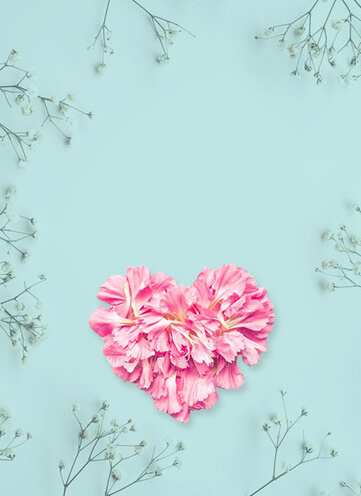
- Carnation: The official birth flower for January is the carnation. Revered for its ruffled petals and long vase life, the carnation symbolizes love, fascination, and distinction. In some cultures, specific colors have deeper meanings--red for love, white for luck, and striped for refusal.
- Snowdrop (Alternative): This delicate white flower signifies hope and rebirth, emerging as one of the first blooms of the New Year.
Cultural Insight: Carnations are traditionally worn on Mother's Day in many countries and feature heavily in wedding and funeral ceremonies, reflecting both celebration and remembrance.
February: Violet and Primrose
- Violet: Known for its purple hues and sweet fragrance, the violet denotes loyalty, humility, and spiritual wisdom. It's also a symbol of modesty, reflecting the flower's tendency to hide under leaves.
- Primrose (Alternative): Signifies young love and new beginnings, echoing the promise of spring to come.
Fun Fact: In ancient Greece, violets were associated with Aphrodite, goddess of love, and given as tokens of affection.
March: Daffodil
- Daffodil: Synonymous with spring's arrival, daffodils symbolize rebirth, resilience, and new opportunities. Their bright yellow blooms are often linked to happiness and good fortune.
Cultural Note: In Wales, the daffodil is worn on St. David's Day and considered a patriotic symbol.
April: Daisy and Sweet Pea
- Daisy: Daisies evoke innocence, purity, and loyal love. The simplicity of the daisy has made it a favorite in folk traditions around the world.
- Sweet Pea (Alternative): Represents pleasure, gratitude, and delicate goodbyes, often gifted as a thank-you or farewell.
Cultural Symbolism: In Norse mythology, daisies were associated with Freya, the goddess of fertility and motherhood.
May: Lily of the Valley and Hawthorn
- Lily of the Valley: These tiny, bell-shaped blossoms symbolize humility, a return to happiness, and sweetness. Their intoxicating scent is celebrated in perfumes and bridal bouquets.
- Hawthorn (Alternative): Associated with hope and supreme happiness, hawthorn flowers also play a role in traditional May Day celebrations.
Did You Know? In France, it's customary to give bouquets of lily of the valley on May 1st for good luck and happiness.
June: Rose and Honeysuckle
- Rose: Perhaps the most iconic of all birth blossoms, the rose signifies love, passion, and beauty in almost every culture. Each color carries unique symbolism--red for romance, white for purity, yellow for friendship.
- Honeysuckle (Alternative): Represents devoted affection and the bonds of everlasting love.
Symbolic Insight: The rose's symbolism is deeply embedded in literature, art, and mythology worldwide, making it a truly global blossom of June.
July: Larkspur and Water Lily
- Larkspur: This tall, spiky flower embodies lightness, positivity, and strong bonds of love. Color variations hold subtle differences: pink for fickleness, white for joy, and purple for first love.
- Water Lily (Alternative): A symbol of enlightenment and purity, revered in many Eastern traditions.
Larkspur is often featured in country gardens and romantic poetry, signifying the playful energy of high summer.
August: Gladiolus and Poppy
- Gladiolus: Named for its sword-like leaves ("gladius" in Latin), the gladiolus stands for strength, moral integrity, and remembrance.
- Poppy (Alternative): Associated with imagination, consolation, and remembrance, especially following World War I.
Cultural Reflection: Gladiolus is often used in ceremonies honoring courage, while poppies are worn on Remembrance Day in many countries.
September: Aster and Morning Glory
- Aster: The star-shaped aster symbolizes wisdom, faith, and valor. It's also a favorite in late summer bouquets for its wide color range.
- Morning Glory (Alternative): Represents affection and the fleeting nature of life's joys, opening its delicate blooms only in the early hours of the day.
Asters and morning glories provide vital nectar for late-season pollinators, making them ecologically significant as well.
October: Marigold and Cosmos
- Marigold: Often called "herb of the sun," marigold flowers signify passion, creativity, and warmth. They are particularly revered in Latin American cultures during Day of the Dead celebrations.
- Cosmos (Alternative): Symbolizes harmony, peace, and tranquility.
Fun Fact: Marigolds are used as offerings in Hindu festivals, highlighting their cross-cultural importance.
November: Chrysanthemum
- Chrysanthemum: This November birth month blossom is linked to joy, longevity, and optimism. In many East Asian countries, chrysanthemums are also symbols of the soul and are associated with honorable death.
Chrysanthemums are extensively celebrated in Japanese art and the annual Festival of Happiness.
December: Narcissus and Holly
- Narcissus: A winter bloom that signifies hope, renewal, and good wishes. Its name ties back to Greek mythology, where Narcissus' beauty and fate offer moral lessons about humility and self-awareness.
- Holly (Alternative): Represents protection, goodwill, and festive cheer, especially prominent in Christmas traditions.
Cultural Significance: Holly is used in winter holiday decor across the globe, symbolizing stamina and joy through the darkest months.
Birth Month Flowers and Personality: A Modern Perspective
With the rise of personalized astrology and birthstones, more people now look to their birth month flowers for cues about their inherent character traits. Here's a brief look at what your birthday blossom may say about you:
- January: Resilient, dignified, quietly charismatic.
- February: Loyal, empathetic, creative.
- March: Optimistic, adaptable, generous.
- April: Innocent, cheerful, honest.
- May: Gentle, nurturing, appreciative of beauty.
- June: Deeply loving, passionate, imaginative.
- July: Playful, supportive, intuitive.
- August: Courageous, determined, compassionate.
- September: Wise, dependable, thoughtful.
- October: Magnetic, creative, joyful.
- November: Loyal, optimistic, resilient.
- December: Hopeful, festive, considerate.
Of course, these are just for fun and inspiration--but many find comfort and joy in aligning with their birth month's symbol.
Birth Flowers in Different Cultures
The tradition of birth flowers is not limited to Western societies. Around the world, unique floral calendars furnish every culture with its own twists on birth month blooms and their meanings:
- Japan features the "Hanakotoba," or the language of flowers, assigning emotional significance to seasonal flowers, including birthdays.
- India's festivals are replete with marigolds, jasmine, and lotus--flowers associated with particular months and gods.
- Chinese tradition places orchids, peonies, and plum blossoms at the heart of seasonal and life milestone celebrations.
- Victorian England crafted detailed floral dictionaries where each bloom could convey a hidden message, from gratitude to grief.
Understanding these variations not only deepens the allure of your own birth blossom but also invites appreciation for the shared love of flowers across human history.
Creative Ways to Celebrate with Birth Month Blossoms
Ignite your creativity! There are many imaginative ways to incorporate birth month flowers into your life and celebrations:
- Personalized Bouquets: Combine someone's birth lotuses or lilies with their favorite colors for a unique arrangement.
- Jewelry and Art: Birth flower necklaces, rings, or wall prints are personal and meaningful gifts.
- Birthday Cakes: Edible flowers that correspond to a birthday month add a special flourish to desserts.
- Gardening: Dedicate a section of your garden or indoor pots to your birth blossoms for year-round enjoyment.
Choosing the Perfect Birth Flower Gift
When gifting a birth month blossom, consider:
- Recipient's Preferences: Some may prefer alternative flowers or color variations.
- Occasion: These flowers are perfect for birthdays but also suitable for anniversaries, baby showers, and milestone events.
- Symbolism: Pair your floral gift with a note explaining its historical and symbolic meaning for a heartfelt touch.
- Longevity: Choose potted plants or preserved flowers for lasting memories.

Frequently Asked Questions About Birth Month Blooms
Can I choose an alternative birth flower?
Absolutely! While traditions exist, many months have more than one associated blossom (e.g., April's daisy and sweet pea). Personal preference, cultural background, or even the recipient's taste can guide your selection.
Are birth flowers the same as zodiac flowers?
No; birth herbs and zodiac flowers come from different traditions. Birth flowers are linked to calendar months, while zodiac blossoms are connected to astrological signs.
Where can I buy birth month flower gifts?
Many florists, online retailers, and local artisans offer arrangements, jewelry, and crafted goods themed around birth month blossoms.
Conclusion: The Enduring Power of Birth Month Blossoms
Whether you're selecting a special gift, looking for inspiration, or simply wish to enrich your understanding of floral symbolism, the tradition of birth month blossoms offers a deeply personal connection to nature's beauty and the sweep of human culture.
Embracing your birthday flower means more than honoring a date--it's about recognizing your unique story, the cycles of renewal, and the shared roots we all have in world traditions. Next time you give or receive a flower, remember: its petals carry centuries of love, memory, and meaning.
If you found these cultural and symbolic insights on birth month blossoms intriguing, share this article or use it as inspiration for your next celebration!
```Latest Posts
Surprising Birthday Flowers to Brighten Their Smile
Birth Month Blossoms: Cultural and Symbolic Insights
Make a Floral Statement with 5 Valentine's Day Favorites